
Ethyl Cellulose

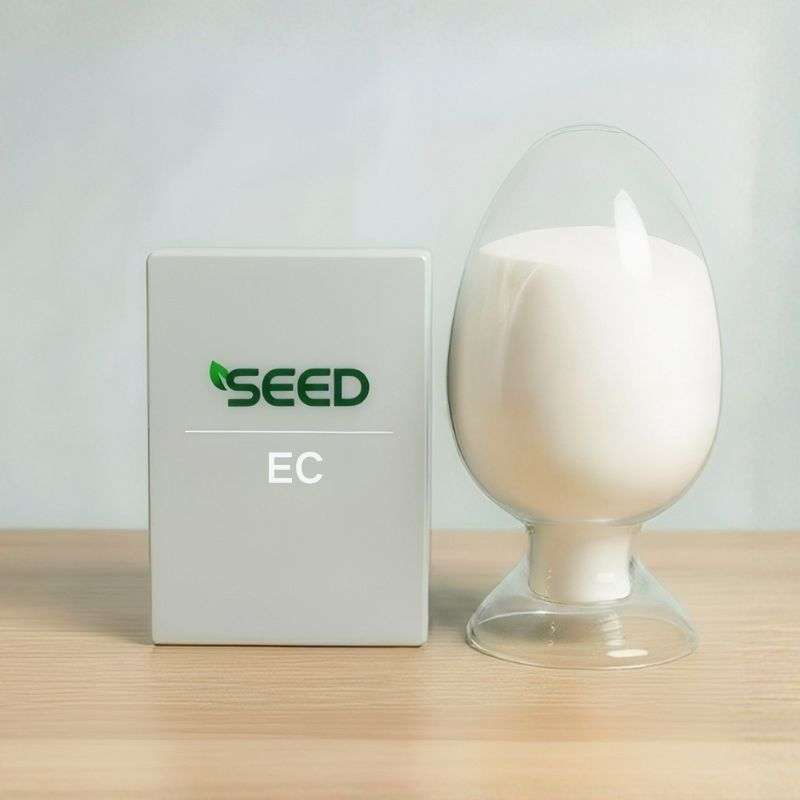
SEED EC Product Details
EC is a highly versatile cellulose derivative valued for its excellent film-forming properties, thermal stability, and resistance to moisture and chemicals. It provides controlled-release properties, functions as protective coating in food applications, and offers superior performance in specialty coatings, inks, and adhesives requiring durability and environmental resistance.
- Chemical Name: Ethyl Cellulose
- CAS Number: 9004-57-3
- Molecular Formula: [C6H7O2(OH)x(OC2H5)y]n
- Appearance: White to light tan free-flowing powder or granules
- Particle Size: Varies by grade (powder: 98% through 100 mesh; granular forms available)
- Bulk Density: 0.35-0.50 g/cm³
- Glass Transition Temperature (Tg): 129-133°C
- Softening Point: 140-160°C
- Melting Range: 160-180°C
SEED EC Product Parameters
EC Content:
Ethoxy Content: 44-51% (typically 48-49.5% for most commercial grades)
Moisture Content: ≤3.0%
Ash Content: ≤0.5%
EC Viscosity Grades Available:
4-100 mPa·s (5% solution in toluene/ethanol 80:20 at 25°C)
EC Solubility:
Insoluble in: Water, glycerin, propylene glycol
Soluble in: Aromatic hydrocarbons (toluene, xylene), alcohols (ethanol, methanol), esters, ketones, chlorinated hydrocarbons, and mixtures thereof
Forms clear solutions in organic solvents
Other:
Storage Conditions: Store in dry conditions away from heat and ignition sources. Shelf life: 36 months when properly stored.
Packaging: 25kg multi-wall kraft paper bags or fiber drums. Special packaging available for aqueous dispersion grades.
Quality Standards: Complies with USP, EP, JP, and FCC (food grade E462) specifications.

SEED EC Product Advantages
Water Insolubility
SEED EC’s fundamental characteristic is water insolubility, providing excellent moisture barrier properties, water resistance in films and coatings, protection of moisture-sensitive ingredients, and no viscosity changes with water exposure.
Superior Film Formation
EC produces outstanding films with excellent clarity and gloss, good flexibility and toughness, high tensile strength, excellent adhesion to various substrates, smooth, defect-free surface.
Thermal Plasticity
EC can be heat-processed, enabling hot melt coating applications, extrusion processing, thermoforming capabilities, heat-sealing properties, injection molding of compositions.
Excellent Chemical Resistance
EC films resist dilute acids and bases, oils and fats, many organic solvents (in dry film form), salt solutions, weathering and UV exposure.
Odorless and Tasteless
Highly purified EC has no taste or odor, making it ideal for food contact, pharmaceutical, and personal care applications.
Non-Toxic
Food and pharmaceutical grades are physiologically inert and safe for human contact and consumption within regulatory limits.
Excellent Pigment Binding
In coatings, EC provides superior pigment dispersion and binding, resulting in uniform color and coverage.
UV Resistance
EC films show good resistance to UV degradation, maintaining properties during outdoor exposure.
Low Temperature Flexibility
Even at low temperatures, EC maintains film flexibility, preventing cracking or brittleness.
SEED EC Product Application



SEED EC Frequently Asked Questions
How does Ethyl Cellulose function in water-based and oil-based coatings?
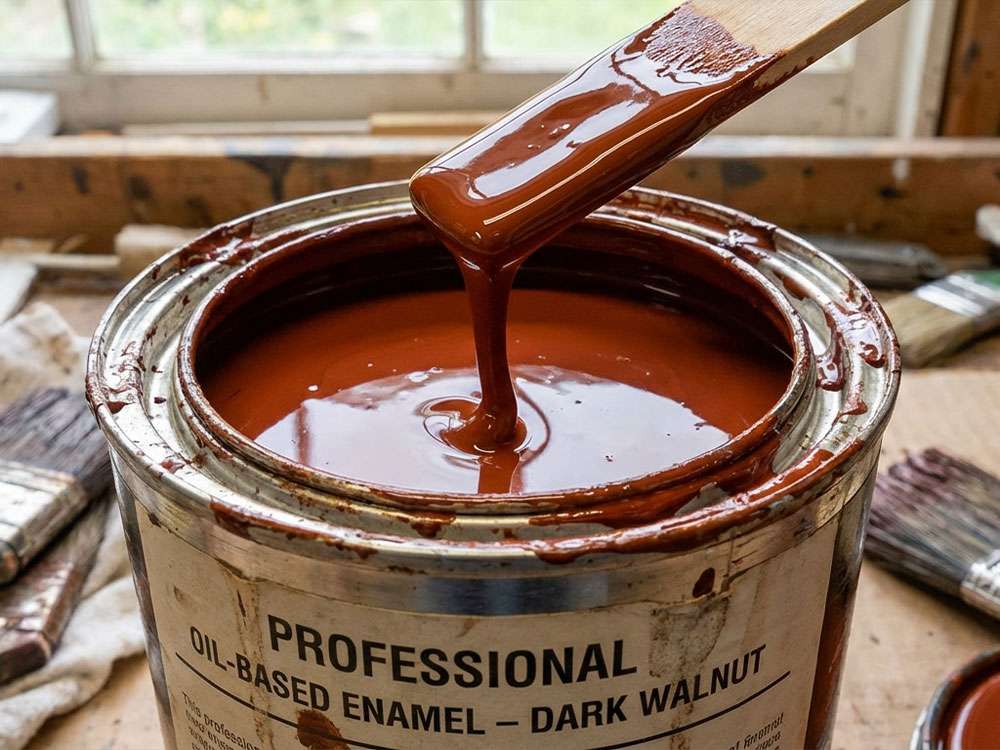
Ethyl Cellulose serves as a versatile film-forming agent and binder in both water-based and oil-based coating systems, providing excellent adhesion, durability, and protective properties. In solvent-based coatings, EC dissolves readily to create tough, flexible films with excellent resistance to water, alkalies, and dilute acids. The polymer forms clear, glossy finishes with good gloss retention and color stability over time. In water-based coatings, EC can be used in emulsion or dispersion form, providing compatibility with aqueous systems while maintaining its beneficial film properties. It enhances coating hardness and abrasion resistance, improves flexibility preventing cracking and peeling, provides excellent adhesion to various substrates including metal, wood, and plastics, and offers good heat resistance making it suitable for coatings exposed to elevated temperatures in industrial applications.
What advantages does Ethyl Cellulose offer for coating durability and performance?
Ethyl Cellulose significantly enhances coating durability through its exceptional film-forming properties and resistance characteristics that protect substrates from environmental damage. The polymer creates tough, continuous films that resist moisture penetration, preventing substrate degradation from water exposure, humidity, and weathering. EC provides excellent chemical resistance protecting against alkalies, dilute acids, and many solvents, making coatings suitable for industrial environments and harsh conditions. The films remain flexible across temperature ranges, resisting cracking from thermal expansion and contraction cycles. EC offers good UV stability maintaining coating integrity and appearance when exposed to sunlight, provides scratch and abrasion resistance for high-traffic applications, and enhances overall coating longevity.
How does Ethyl Cellulose improve gluten-free bread quality?
Ethyl Cellulose enhances gluten-free bread formulations by providing structure, moisture retention, and improved texture that mimics the qualities typically provided by gluten proteins. The polymer helps create a network within the dough that traps gases produced during fermentation, resulting in better volume and a more open, airy crumb structure rather than the dense texture often associated with gluten-free breads. EC improves dough handling properties, making gluten-free dough less sticky and easier to shape without excessive crumbling or tearing. It significantly enhances moisture retention in the finished bread, extending shelf life by preventing rapid staling and dryness that commonly affects gluten-free products.
What role does Ethyl Cellulose play in cheese products?
Ethyl Cellulose is used as a coating material for cheese, providing an effective moisture barrier and protective layer that extends shelf life and maintains quality during storage and distribution. Applied as a thin film to cheese surfaces, EC prevents excessive moisture loss that would cause the cheese to dry out, harden, or develop undesirable texture changes. The coating creates a semi-permeable barrier that allows controlled moisture and gas exchange while protecting against environmental contamination, mold growth, and oxidation. EC coatings are particularly valuable for aged cheeses requiring extended maturation periods, providing consistent aging conditions and preventing rind defects.
How is Ethyl Cellulose used in skincare product formulations?
Ethyl Cellulose functions as a film-forming agent in skincare products, creating protective, breathable films on the skin that provide various cosmetic and functional benefits. In skincare formulations, EC forms thin, flexible films that help lock in moisture by reducing transepidermal water loss, keeping skin hydrated and preventing dryness. These films provide a smooth, silky feel on skin and can create a temporary tightening or firming effect appreciated in anti-aging products and facial masks. EC improves product adherence to skin, extending the contact time of active ingredients for better efficacy. The polymer enhances water resistance in sunscreens and outdoor skincare products, improves product spreadability creating smooth, even application, provides a matte finish in formulations targeting oily skin, and contributes to long-lasting makeup effects.
What benefits does Ethyl Cellulose provide as a film-forming agent?
Ethyl Cellulose excels as a film-forming agent due to its unique combination of properties that create protective, functional, and aesthetically pleasing films across diverse applications. The polymer forms continuous, coherent films that are tough yet flexible, providing excellent mechanical strength while accommodating substrate movement without cracking or delaminating. EC films demonstrate superior water resistance creating effective moisture barriers essential for protective coatings, food applications, and waterproof formulations. The films show excellent adhesion to various substrates including metals, plastics, wood, paper, and biological surfaces like skin and food products.
Products you may be interested in


Connect with Us Today
Reach out to discover how our cellulose ether products can elevate your business and meet all your chemical solution needs.