Printing & Dyeing & Textiles

Cellulose ether for Printing & Dyeing & Textiles
Printing & Dyeing & Textiles Application
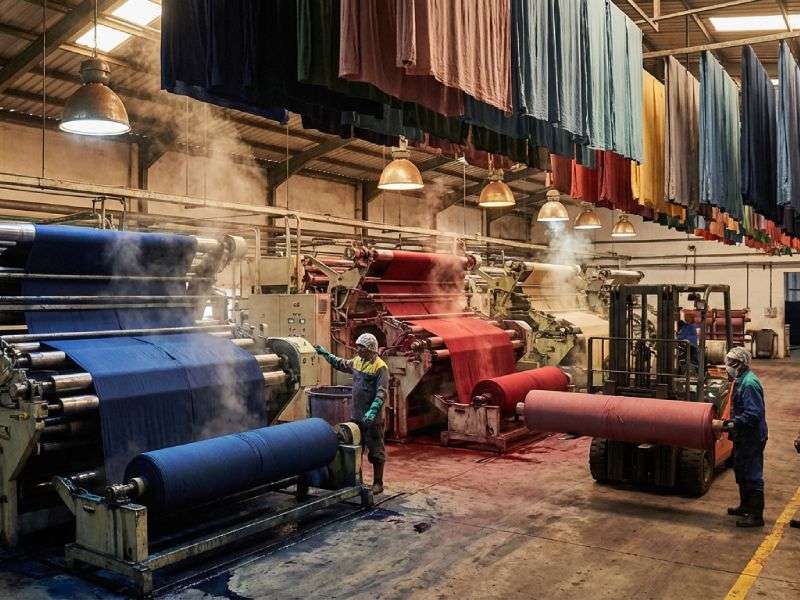
Seed’s industrial-grade cellulose derivatives provide essential thickening, binding, film-forming, and rheology control in textile printing, dyeing, and finishing processes, enabling production of high-quality printed and dyed fabrics with superior color clarity, excellent pattern definition, enhanced process efficiency, and consistent quality. Our CMC and PAC products deliver reliable performance across diverse textile applications from reactive printing to pigment dyeing and fabric finishing.
The combination of CMC and PAC enables formulators to optimize printing paste properties for specific applications, CMC for standard printing across natural and cellulosic fibers, PAC for synthetic fibers and challenging process conditions, or synergistic blends achieving balanced performance across multiple fabric types and printing techniques.

Key Performance Benefits

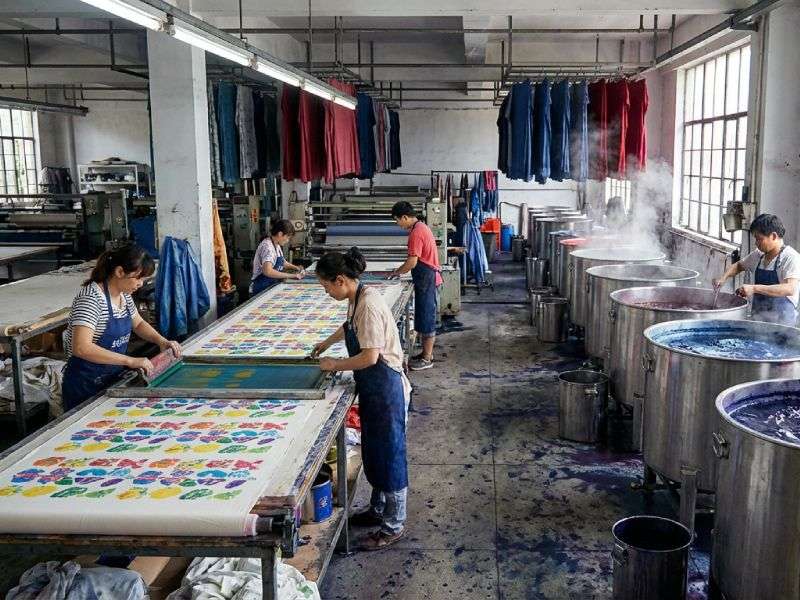
SEED’s CMC produces printing pastes with pseudoplastic flow behavior—the paste remains viscous during storage and application but flows readily under the shear forces of screen printing or roller printing, ensuring clean pattern transfer without bleeding or smudging.
CMC demonstrates excellent compatibility with all major dye classes including reactive dyes, direct dyes, acid dyes, disperse dyes, and vat dyes. The film-forming properties of CMC create uniform coatings on fabric surfaces that hold dyes in precise position during printing, steaming, and fixation processes.
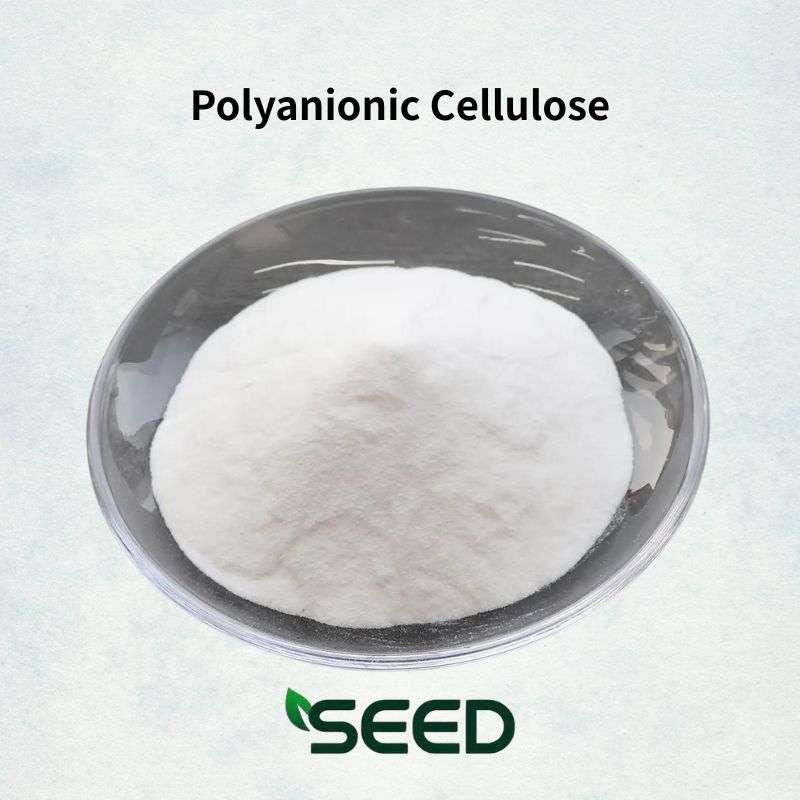
Our PAC (Polyanionic Cellulose) offers specialized functionality in textile applications requiring superior stability, enhanced binding properties, and resistance to enzymatic degradation. PAC’s high molecular weight and anionic character create strong, elastic films particularly valuable in specialized printing techniques and demanding process conditions.

Technical Specifications

In printing paste formulations, CMC is used at 2-8% based on paste weight, with 3-5% typical for screen printing and 5-8% for roller printing or discharge printing. PAC is used at 2-6% with similar considerations for printing method and fabric type. In textile sizing, CMC is used at 1-5% in sizing formulations, often combined with starch (70-90%) and synthetic sizing agents (5-15%) for balanced cost and performance.

Product models for Printing & Dyeing & Textiles applications

In the dyeing and textile industry, SEED cellulose ether is used as a sizing agent, thickener for printing pastes, and for textile printing and stiffening finishes. As a sizing agent, it enhances solubility and viscous properties, allows for easy desizing, and significantly improves the strength and flexibility of the size film. SEED Cellulose ether adheres well to most fibers, improves fiber-to-fiber bonding, and its stable viscosity ensures uniform sizing, thereby enhancing weaving efficiency. It can also be applied as a textile finishing agent, particularly in anti-wrinkle treatments, imparting durable improvements to the fabric.

Specific applicationsSEED product models
Textile Printing and DyeingSDT6000
Textile Printing and DyeingSDH6000
Note: Please contact our sales staff for specific TDS details.
(Click to get a sample)

Printing & Dyeing & Textiles application related products

PAC

Polyanionic Cellulose

CMC

Carboxymethyl Cellulose

Connect with Us Today

Reach out to discover how our cellulose ether products can elevate your business and meet all your chemical solution needs.

滚动至顶部