
Hydroxypropyl Cellulose

SEED HPC Product Details
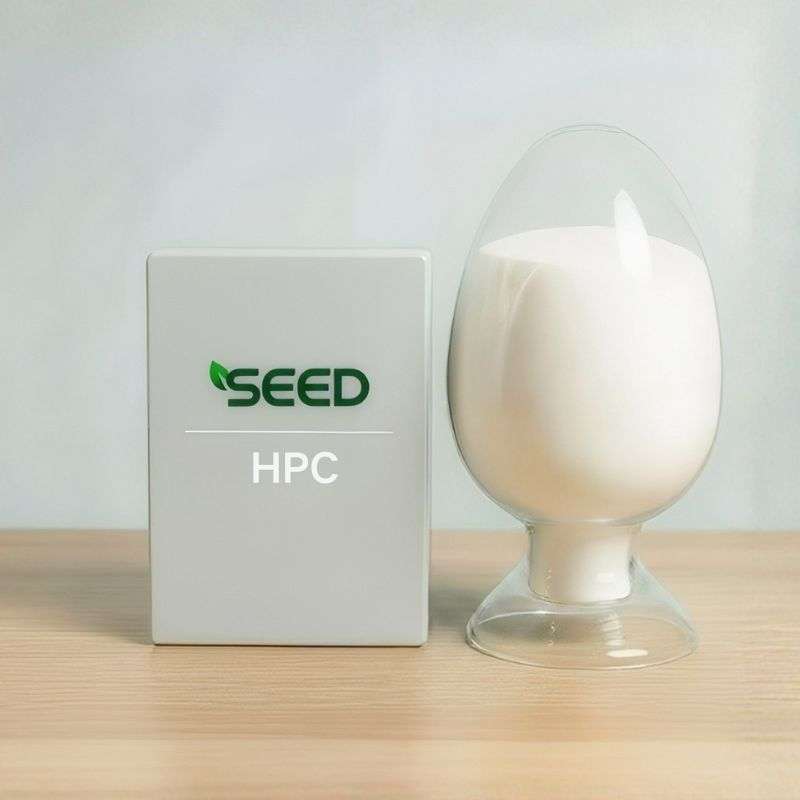
HPC is a non-ionic, water-soluble polymer compound derived from cellulose through etherification. It is produced by substituting part of the hydroxyl groups in cellulose with hydroxypropyl groups (-CH₂CHOHCH₃), combining the structural stability of cellulose with its hydrophilic swelling properties. HPC is widely used in cosmetics, paints and coatings.
- Chemical Name: Hydroxypropyl Cellulose
- CAS Number: 9004-64-2
- Molecular Formula: (C₁₅H₂₈O₈)ₙ
- Appearance: White powder
- Hydroxypropoxy content%: 20-80%
- Particle Size: 98.5%min.passing through 100mesh
- Bulk Density: 0.35-0.7g/cm³
- pH Value: 4.0-9.0
- Moisture Content: ≤5.0%
- Residue on ignition: ≤0.5%
- Ar,ppm: ≤2.0
- Heavy metals,ppm: ≤2.0
- Lead,ppm: ≤2.0
SEED HPC Product Parameters
| HPC Viscosity Grades Available | |||
| Specification | Weight average molecular weight | Concentration % | Viscosity (mpa.s) |
| G | 370000 | 2 | 150-300 |
| J | 140000 | 5 | 150-350 |
| L | 95000 | 5 | 75-200 |
| E | 80000 | 10 | 300-800 |
| M | 850000 | 2 | 4000-7000 |
| H | 1150000 | 1 | 1000-3000 |
HPC Solubility:
Soluble in cold water at room temperature, forming a transparent solution upon dissolution; soluble in various polar organic solvents such as ethanol-water mixtures, and also soluble in anhydrous methanol, isopropyl alcohol, etc., requiring slow addition with stirring.
Other:
Storage Conditions: Store in a cool, dry place away from moisture and heat. Keep in sealed containers. Shelf life: 24 months under proper storage conditions.
Packaging: 25kg net multi-wall paper bags with PE liner, or according to customer requirements.
Quality Standards: Complies with USP, EP, JP, FCC specifications.

SEED HPC Product Advantages
Unique Dual Solubility
SEED HPC’s most distinctive feature is its solubility in both water and organic solvents, being water-soluble below 40°C and soluble in polar organic solvents (such as ethanol, methanol, and propylene glycol). This allows for formulation flexibility, enabling both aqueous and solvent-based systems, making it ideal for water/alcohol blend formulations.
Lower Critical Solution Temperature
Inverse solubility behavior provides unique benefits, soluble in cold water, precipitates when heated, opposite behavior to HPMC thermal gelation, useful for temperature-triggered release systems, enables specialized coating applications, and facilitates certain processing techniques.
Excellent Film Formation
HPC produces outstanding flexible films, high tensile strength and toughness, excellent clarity and gloss, good moisture barrier properties, flexibility without plasticizers, and strong adhesion to various substrates.
Thermoplasticity
HPC exhibits thermoplastic behavior, can be melt-processed at 120-180°C, enables hot melt extrusion, allows thermal shaping and forming, and is useful for molded applications.
Non-Ionic Nature
Provides excellent compatibility, compatible with anionic, cationic, and nonionic ingredients, stable across a wide pH range (3-11), no interaction with charged species, and predictable behavior in complex formulations.
Surface Activity
HPC reduces surface tension and provides improved wetting properties, enhanced emulsion stabilization, better foam stabilization, and improved dispersion of pigments and particles.
SEED HPC Product Application


SEED HPC Frequently Asked Questions
How does HPC enhance multicolored artistic coating performance?
HPC provides exceptional rheology control in multicolored artistic coatings, delivering the precise viscosity and thixotropic behavior needed to create stunning decorative effects with distinct color separation. The polymer builds high viscosity at rest, preventing different colored droplets from merging together after application, which is essential for maintaining sharp visual contrasts and intricate multicolored patterns on walls and surfaces. During spray application, HPC allows the coating to flow smoothly through equipment while controlling droplet size for uniform distribution and consistent pattern formation. It provides superior sag resistance on vertical surfaces, ensuring colors stay in place without running or bleeding during the curing process.
What benefits does HPC provide in shampoo and shower gel formulations?
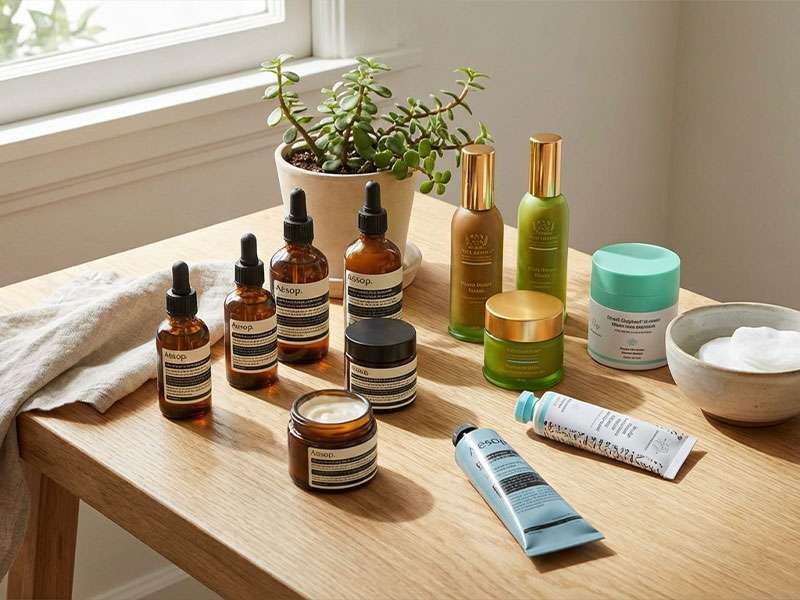
HPC serves as an effective thickener and film-forming agent in shampoo and shower gel products, enhancing both performance and sensory properties that consumers value. In shampoos, the polymer builds optimal viscosity creating luxurious texture and premium appearance while improving foam quality and stability for rich, abundant lather. HPC provides excellent conditioning benefits by forming protective films on hair that improve manageability, reduce static, enhance shine, and make wet combing easier during washing. The polymer shows good compatibility with various surfactants and conditioning agents commonly used in hair care formulations. In shower gels and body washes, HPC creates smooth, silky texture that spreads easily on skin and rinses cleanly without leaving residue.
How is HPC used in skincare product formulations?
HPC functions as a versatile ingredient in skincare formulations, providing thickening, film-forming, and moisturizing properties that enhance product performance and skin benefits. The polymer creates various textures from light gels to rich creams, allowing formulators flexibility in developing products for different skin types and preferences. HPC forms clear, smooth gels with excellent aesthetic appeal and pleasant skin feel without tackiness or greasiness. It creates breathable films on skin that help retain moisture by reducing transepidermal water loss, keeping skin hydrated and preventing dryness throughout the day. The polymer improves spreadability making products easier to apply evenly, enhances active ingredient delivery by maintaining contact with skin, and provides a silky after-feel that consumers appreciate.
What makes HPC suitable for both coating and personal care applications?
HPC demonstrates remarkable versatility across different application areas due to its unique combination of functional properties that benefit both industrial coatings and personal care products. The polymer provides excellent thickening efficiency and rheology control, creating desired viscosity and flow characteristics whether in decorative coatings or cosmetic formulations. Its film-forming ability creates protective barriers in coatings while providing conditioning and moisturizing films in hair and skincare products. HPC dissolves in both water and certain organic solvents, offering formulation flexibility across different systems. The polymer shows good compatibility with various ingredients including pigments, surfactants, oils, and active compounds used across these industries. It provides thermal reversibility where viscosity decreases with heating and recovers upon cooling, which aids processing and application.
Products you may be interested in
Connect with Us Today
Reach out to discover how our cellulose ether products can elevate your business and meet all your chemical solution needs.