
Methyl Hydroxyethyl Cellulose
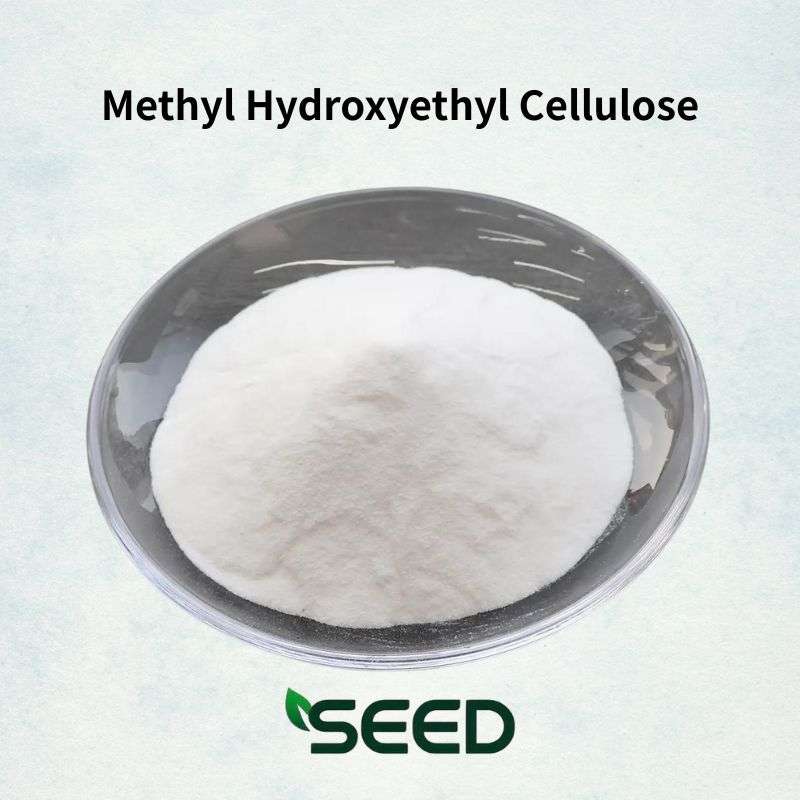
SEED MHEC Product Details
MHEC is a premium cellulose ether offering superior water retention and workability enhancement in construction applications. It excels in tile adhesives, renders, gypsum-based products, and specialty mortars, providing excellent open time, sag resistance, and improved application properties. MHEC demonstrates outstanding compatibility with various construction additives and delivers consistent performance across diverse environmental conditions and formulation requirements.
- Chemical Name: Methyl Hydroxyethyl Cellulose
- CAS Number: 9032-42-2
- Molecular Formula: [C6H7O2(OH)x(OCH3)y(OC2H5)z]n
- Appearance: White to off-white free-flowing powder
- Particle Size: 98% min. passing through 100 mesh
- Bulk Density: 0.30-0.65 g/cm³
- pH Value: 5.0-8.5 (1% aqueous solution at 20°C)
- Moisture Content: ≤5.0%
- Ash Content: ≤5.0%
SEED MHEC Product Parameters
MHEC Substitution Degree:
MethoxMethoxy content: 16-20%
Hydroxyethyl content: 8-16%
MHEC Viscosity Grades Available:
Low viscosity: 5-15,000 mPa·s
Medium viscosity: 20,000-100,000 mPa·s
High viscosity: 150,000-250,000 mPa·s
(Measured as 2% aqueous solution at 20°C)
MHEC Solubility:
Readily soluble in cold water; Superior thermal stability compared to HPMC; Soluble in certain organic solvent mixtures; Forms clear to slightly turbid solutions
Other:
Storage Conditions: Store in cool, dry environment. Protect from moisture. Shelf life: 24 months in original sealed packaging.
Packaging: 25kg multi-wall kraft paper bags with moisture barrier liner, or customized packaging available.

SEED MHEC Product Advantages
Extended Working Time
In elevated temperature conditions, MHEC maintains workability 20-40% longer than HPMC, providing crucial advantages for large-scale projects and hot weather construction.
Excellent Water Retention
Similar to HPMC, MHEC provides 96-99% water retention efficiency, ensuring optimal hydration of cementitious binders and preventing premature drying.
Consistent Performance
Temperature-independent viscosity ensures consistent product performance regardless of ambient conditions, seasonal variations, or geographic location. This reduces quality variation and customer complaints.
Enhanced Open Time
The absence of premature thermal gelation extends the open time of tile adhesives and mortars by 15-30 minutes compared to HPMC in warm conditions.
Superior Compatibility
MHEC shows excellent compatibility with other admixtures, cement, gypsum, and various additives across temperature ranges.
Storage Stability
Products formulated with MHEC show superior storage stability in warm warehouses or during summer transport, maintaining consistent performance.


SEED MHEC Frequently Asked Questions
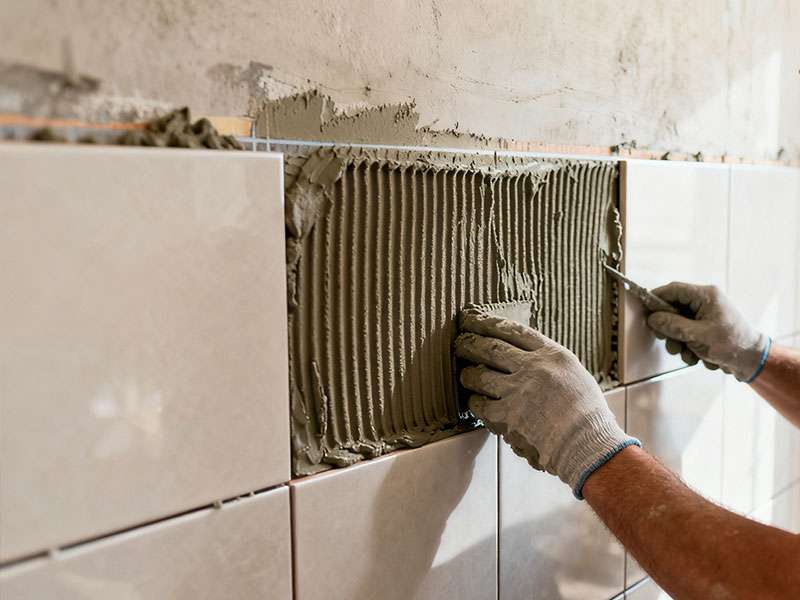
How does MHEC improve tile adhesive performance?
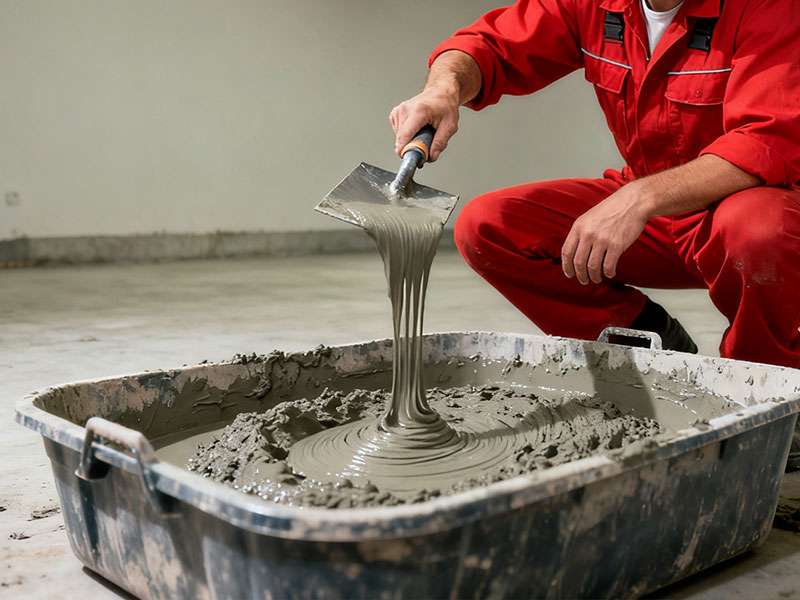
MHEC makes a real difference in tile adhesive by keeping moisture where it’s needed during application and curing. This means the cement hydrates properly and tiles bond securely to your substrate. You’ll get more working time to position tiles exactly right, which is especially helpful with large format tiles. The adhesive won’t sag down walls, spreads smoothly without fighting you, and sticks well to different surfaces like concrete or existing tiles. It also adds some flexibility so the adhesive can handle minor movements and temperature changes without cracking. The result is a reliable, long-lasting tile installation.
What role does MHEC play in putty powder formulations?
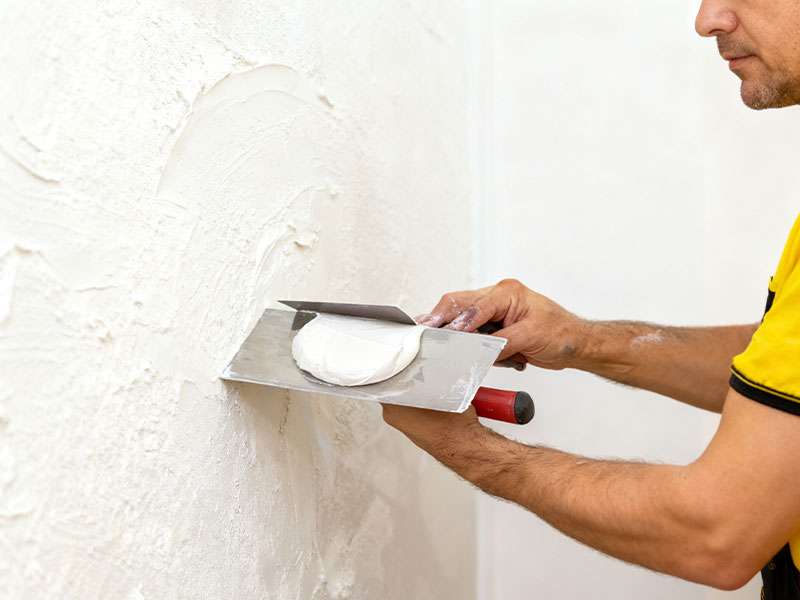
MHEC turns ordinary putty into a professional-grade finishing material. It keeps water in the mix so everything cures properly without cracking, and the putty becomes smooth and creamy, making it easy to spread and finish without fighting sticky or draggy material. It won’t sag on walls or ceilings, sticks well to concrete, plaster, and even painted surfaces, and gives you some flexibility to handle minor wall movements. You’ll also notice less shrinkage as it dries, fewer surface problems, and easier sanding when you’re ready for that final smooth finish.
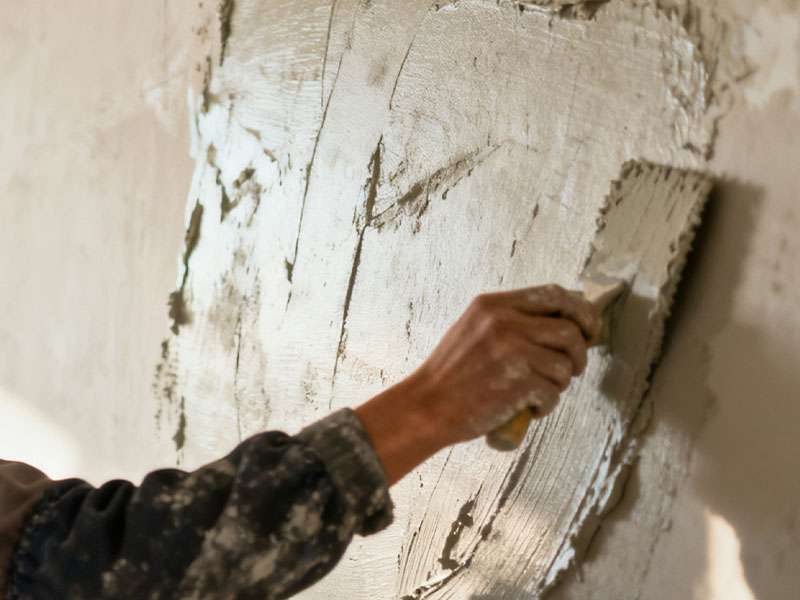
Why is MHEC essential in plastering gypsum products?
Gypsum sets fairly quickly, so MHEC is really important for controlling that process. It holds onto water so the gypsum hydrates completely instead of drying out too fast and cracking. You get more time to apply, level, and finish the plaster before it starts setting up on you. The material becomes smooth and creamy, spreads easily, and finishes nicely without requiring expert skills. It won’t slide down walls or sag on ceilings, gives you a smoother surface with fewer imperfections, sticks well, and creates a harder, more durable finish.
How does MHEC benefit special mortar formulations?
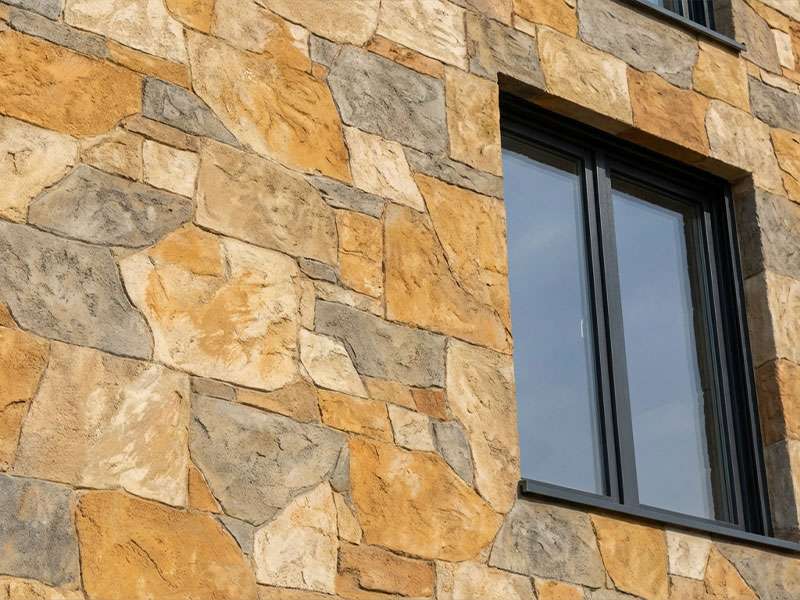
Special mortars like repair compounds, self-leveling floors, and grouts need MHEC to perform properly. For repair work, it keeps moisture in the mix so it bonds well to damaged concrete and doesn’t crack as it cures. Self-leveling compounds need it to flow smoothly while keeping all the ingredients mixed together evenly. Grouts get the right consistency and won’t separate or leave voids in joints. For exterior insulation systems, MHEC improves how the material handles, helps it stick to insulation boards, and adds flexibility so it won’t crack when temperatures change or the building shifts slightly.
What advantages does MHEC offer in texture paints and latex paints?
MHEC gives texture paints that special quality where they’re thick when sitting still but flow nicely when you’re applying them. This means your decorative patterns, swirls, and textures stay put instead of sagging or flattening out. It also keeps pigments from settling in the can, so colors stay consistent. For regular latex paints, MHEC helps them flow smoothly and level out, reducing brush marks and roller tracks for a professional-looking finish. You get more working time to blend edges without lap marks showing, less spatter when rolling, and better coverage overall.
How does MHEC function in water-based and oil-based coatings?
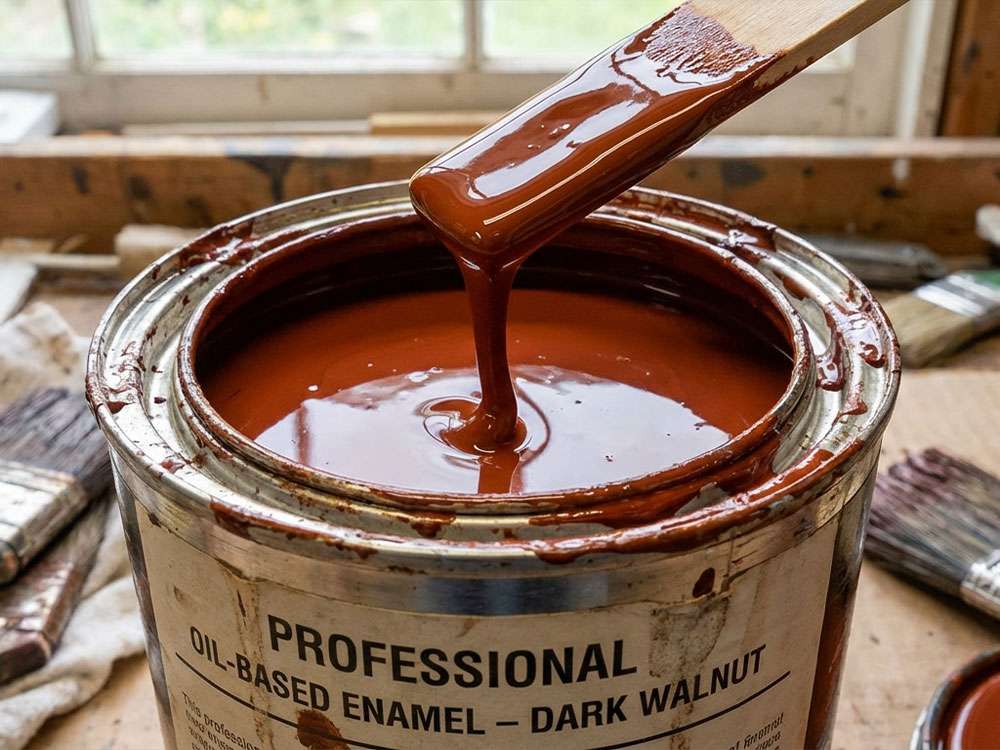
MHEC works as a thickener and stabilizer in coating formulations, giving them the right consistency for easy application. In water-based coatings, it dissolves easily and creates that useful behavior where the coating thins out when you’re brushing or rolling but thickens back up on the wall to prevent drips and sags. It keeps everything mixed together evenly and stops pigments from settling to the bottom of the can. The coating brushes and rolls more smoothly, levels out nicely, and looks better when dry.
What benefits does MHEC provide in laundry detergents and hand soaps?
In laundry detergent, MHEC thickens the liquid to just the right consistency so it pours smoothly without splashing everywhere and doses accurately from pumps or caps. It keeps ingredients like enzymes, brighteners, and fragrance beads suspended evenly throughout the bottle instead of settling to the bottom. The detergent looks smooth and professional. For hand soaps, MHEC creates that rich, luxurious feel people expect from quality products. The lather becomes creamier and lasts longer, making washing more pleasant. It works well with the surfactants and other ingredients in cleaning products, stays stable at different pH levels.
How is MHEC used in shampoo and shower gel applications?
MHEC gives shampoos and shower gels the right thickness and feel that makes them pleasant to use. In shampoo, it creates a rich consistency that stays on your hair instead of running right off, and the lather becomes creamier and more abundant. Hair becomes easier to comb through while wet and feels smoother after rinsing. For shower gels, MHEC provides that premium texture and feel during application. It keeps any added beads or pearlescent particles suspended evenly so they don’t sink to the bottom. The polymer works well with fragrances, cleansing agents, and other common ingredients, it’s gentle on skin, breaks down naturally, and meets safety standards for personal care products.
What makes MHEC suitable for construction material applications?
MHEC is ideal for construction materials because it excels at water retention, making materials easier to work with, and plays nicely with cement and gypsum systems. By holding moisture in the mix, it ensures proper curing and full strength development. Workers find materials much easier to mix, spread, and finish, which saves time and reduces labor costs on job sites. It thickens materials enough to prevent separation and sagging on walls or ceilings. Adhesion improves, finished materials resist cracking better, and you get longer working time when needed.
Why choose MHEC for coating and paint formulations?
MHEC gives you precise control over how thick your coating is and how it flows, which is crucial for good performance. It keeps the coating at the right consistency in the can while letting it flow smoothly when you’re applying it by brush, roller, or spray. Pigments and colors stay mixed instead of separating or settling during storage. Application becomes easier with better brush feel, roller pickup, and spray characteristics. The coating levels out nicely, reducing marks and imperfections for a smoother finish. It doesn’t splatter as much when rolling, builds a good film thickness, and covers better.
Products you may be interested in

Connect with Us Today
Reach out to discover how our cellulose ether products can elevate your business and meet all your chemical solution needs.