
Hydroxypropyl Methylcellulose

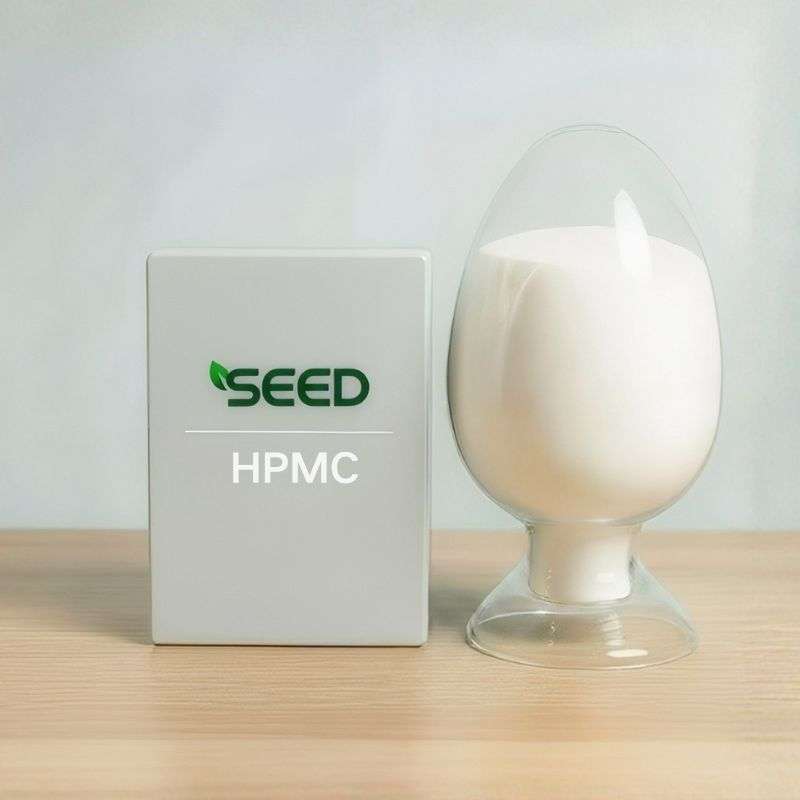
SEED HPMC Product Details
HPMC is a versatile cellulose ether widely used across construction, food, and personal care industries. It provides excellent water retention, thickening, film formation, and binding properties. In building materials, HPMC improves workability and adhesion of tile adhesives, renders, and mortars. In food applications, it serves as emulsifier, stabilizer, and texture enhancer while offering vegetarian-friendly functionality.
- Chemical Name: Hydroxypropyl Methylcellulose
- CAS Number: 9004-65-3
- Molecular Formula: [C6H7O2(OH)x(OCH3)y(OC3H7)z]n
- Appearance: White to off-white powder, odorless and tasteless
- Particle Size: 98% min. passing through 100 mesh
- Bulk Density: 0.30-0.60 g/cm³
- pH Value: 4.0-8.0 (1% aqueous solution at 20°C)
- Moisture Content: ≤5.0%
- Ash Content: ≤5.0% (as sulfated ash)
SEED HPMC Product Parameters
HPMC Substitution Degree:
Methoxy content: 19-30%
Hydroxypropyl content: 4-12%
HPMC Viscosity Grades Available:
Low viscosity: 5-15,000 mPa·s
Medium viscosity: 20,000-100,000 mPa·s
High viscosity: 150,000-250,000 mPa·s
(Measured as 2% aqueous solution at 20°C using Brookfield viscometer)
HPMC Solubility:
LSoluble in cold water, forming clear to slightly opalescent viscous solution
Insoluble in hot water (precipitates at 60-90°C depending on substitution)
Soluble in certain organic solvents and solvent mixtures
Insoluble in anhydrous alcohol, ether, and acetone
Other:
Storage Conditions: Store in a cool, dry place away from moisture and heat. Keep in sealed containers. Shelf life: 24 months under proper storage conditions.
Packaging: 25kg net multi-wall paper bags with PE liner, or according to customer requirements.
Quality Standards: Complies with USP, EP, JP, FCC, and E464 (food grade) specifications.

SEED HPMC Product Advantages
Superior Water Retention
SEED HPMC provides industry-leading water retention capabilities (95-99%), preventing premature drying of mortars and enabling complete cement hydration. This results in improved strength development, reduced shrinkage cracking, and enhanced workability over extended periods.
Excellent Thickening Efficiency
With highly efficient pseudoplastic rheology, HPMC provides optimal flow during application while maintaining body and preventing sagging on vertical surfaces. The shear-thinning behavior ensures easy mixing, pumping, and application with excellent hang properties.
Thermal Gelation Properties
SEED HPMC’s unique reversible thermal gelation (forming gel at 60-90°C) provides anti-sag properties in construction applications and enables specialized functions in food and pharmaceutical applications. This temperature-responsive behavior is not found in most competing products.
Wide Viscosity Range
Available in viscosity grades from 5 to 250,000 mPa·s, SEED HPMC can be precisely selected or blended to meet specific application requirements. This versatility eliminates the need for multiple product types.
High Purity
Our manufacturing process produces exceptionally pure HPMC with minimal residual salts, ensuring consistent performance and preventing adverse effects from contaminants.
Non-ionic Nature
The non-ionic character provides excellent compatibility with other ingredients including salts, surfactants, polymers, and various additives. HPMC does not interact electrostatically with charged species, ensuring formulation stability.
pH Stability
SEED HPMC remains stable across pH ranges from 3 to 11, making it suitable for acidic, neutral, and alkaline formulations without degradation or performance loss.
Excellent Film Formation
SEED HPMC forms flexible, transparent films with good tensile strength, moisture barrier properties, and adhesion. This makes it valuable in coatings and food applications.
Versatility
SEED HPMC is the most versatile cellulose ether, suitable for applications ranging from construction materials to food products, cosmetics, and industrial applications.





SEED HPMC Frequently Asked Questions
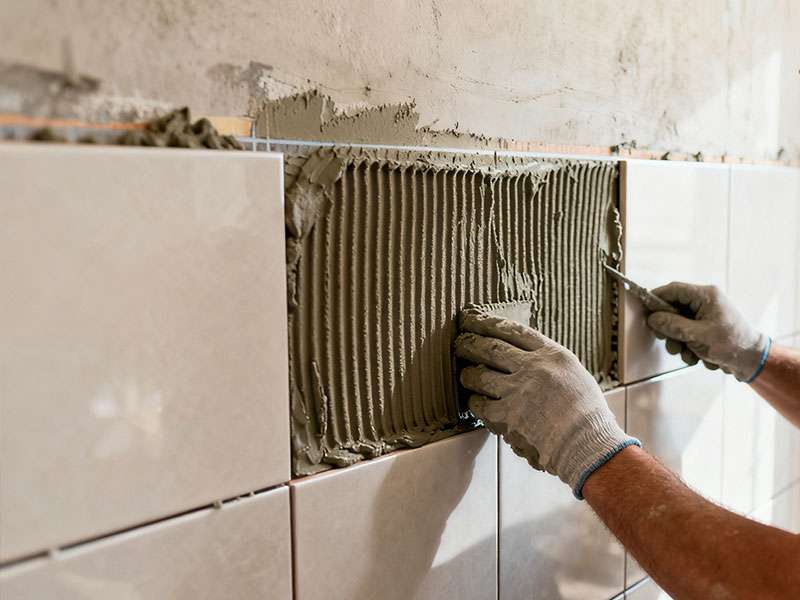
How does HPMC improve tile adhesive performance?
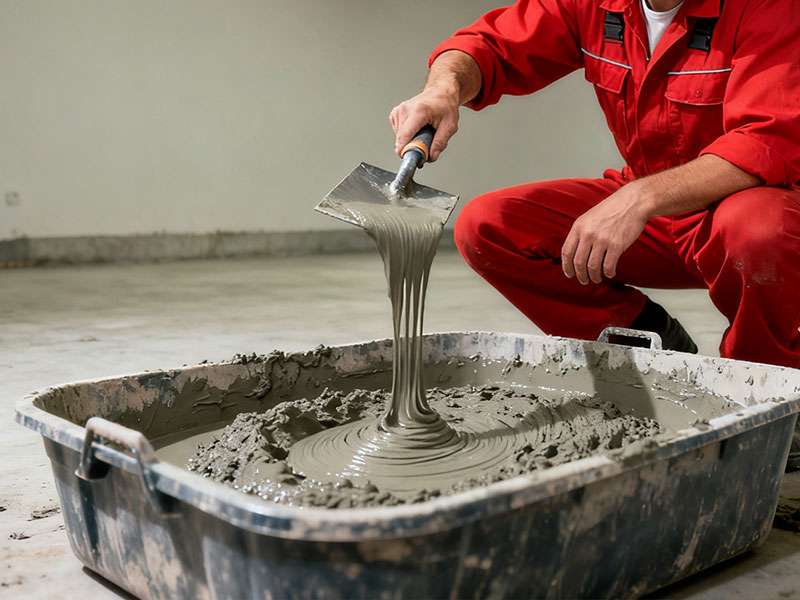
HPMC enhances tile adhesive by providing superior water retention that prevents premature drying and ensures proper cement hydration for strong bonding. It extends open time, allowing flexible tile positioning, and acts as a thickener to prevent sagging on vertical surfaces. The polymer improves workability, making the adhesive easier to spread and comb while reducing tool stickiness. HPMC enhances adhesion strength to various substrates and improves flexibility, allowing the adhesive to accommodate minor movements without cracking, resulting in durable, long-lasting tile installations with excellent performance.
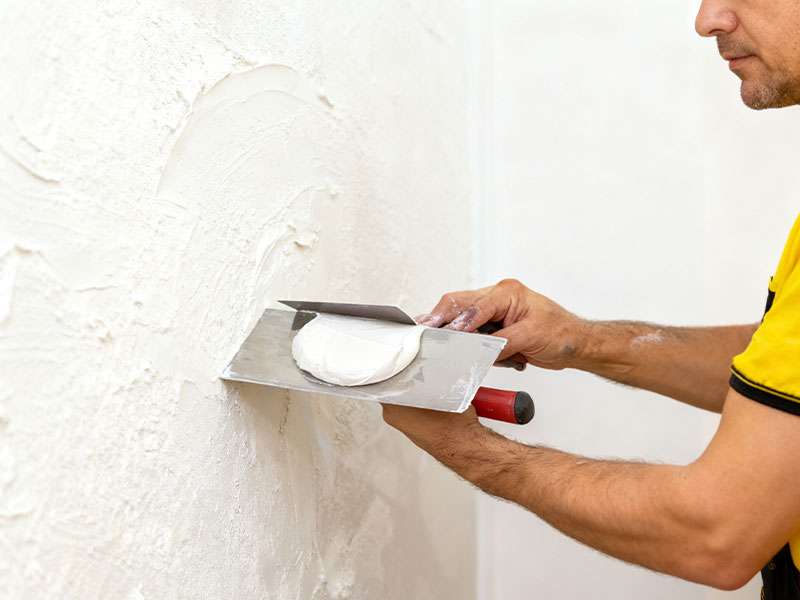
What role does HPMC play in putty powder formulations?
HPMC provides critical water retention in putty powder, preventing rapid moisture loss and ensuring complete binder hydration for proper curing and durability. It dramatically improves workability, creating smooth, creamy consistency that spreads easily and allows effortless troweling without excessive drag. The polymer prevents sagging on vertical surfaces, enhances adhesion to various substrates, and improves crack resistance by providing flexibility. HPMC reduces shrinkage during drying, minimizes surface defects, improves sandability of cured putty for smooth finishes, and extends pot life of mixed material, reducing waste and improving application efficiency.
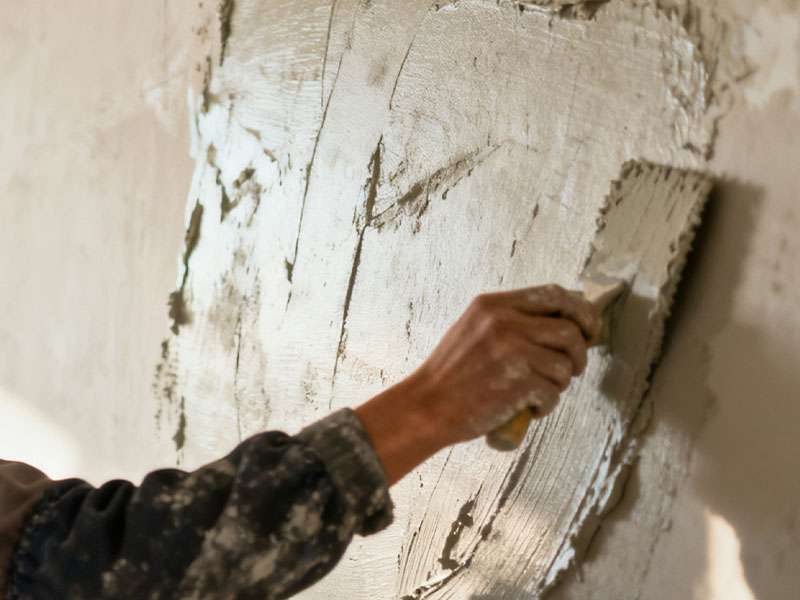
Why is HPMC essential in plastering gypsum products?
HPMC is essential in gypsum plastering because it provides excellent water retention, preventing rapid water loss that would cause incomplete hydration, cracking, and reduced strength. It extends working time, allowing adequate application and finishing without premature setting. The polymer improves workability, creating smooth, creamy plaster that applies easily and finishes beautifully. HPMC prevents sagging on walls and ceilings, enhances surface smoothness, reduces defects like crazing, improves adhesion to substrates, enhances final hardness and durability, reduces dusting, and improves the surface’s ability to accept paint or wallpaper.
How does HPMC benefit special mortar formulations?
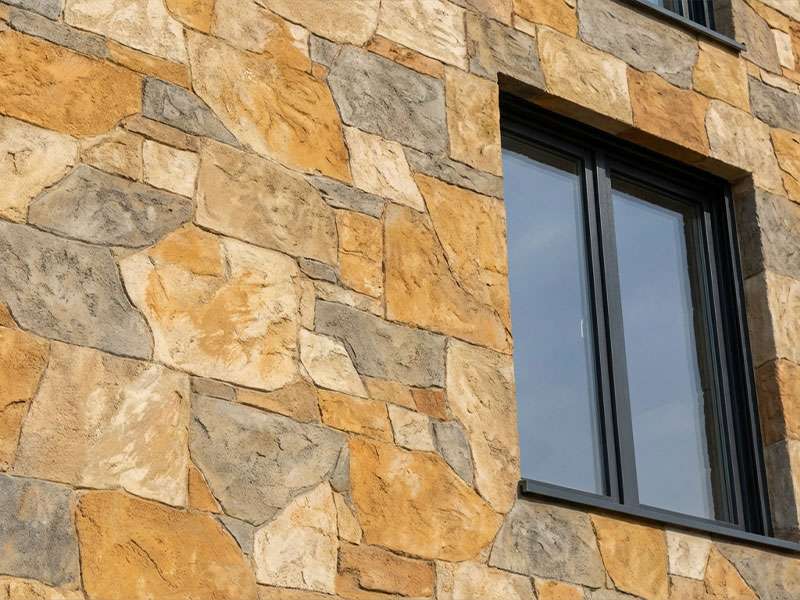
HPMC benefits special mortars including repair mortars, self-leveling compounds, and grouts by ensuring excellent water retention that prevents premature drying and ensures proper bonding and strength development. It improves adhesion to existing concrete, reduces shrinkage cracking, and controls flow properties in self-leveling compounds while preventing component segregation. In grouts, HPMC provides necessary consistency and prevents bleeding. For exterior systems, it enhances workability, improves adhesion to insulation boards, provides flexibility resisting cracking under thermal cycling, improves freeze-thaw resistance, and reduces water permeability for enhanced long-term durability.
What advantages does HPMC offer in texture paints and latex paints?
HPMC provides significant advantages as a rheology modifier by creating thixotropic behavior in texture paints, providing high viscosity at rest to maintain decorative patterns while allowing easier application under shear. It prevents pigment settling, ensuring color uniformity during storage. In latex paints, HPMC improves flow and leveling, reducing brush marks for smooth finishes, enhances open time for better edge blending, provides excellent spatter resistance, stabilizes formulations preventing phase separation, improves freeze-thaw stability, and enhances coverage and hiding power through optimized pigment distribution and film formation.
How does HPMC improve gluten-free bread quality?
HPMC mimics gluten’s structural functions by forming a network within dough that traps carbon dioxide during fermentation, preventing collapse and creating desired open, aerated crumb structure. It provides dough cohesiveness and handling properties, making gluten-free dough easier to shape without excessive stickiness or crumbling. HPMC improves moisture retention in final bread, extending shelf life and preventing rapid staling and dryness. It enhances bread volume and crumb softness, creating products more similar to conventional bread, improves freeze-thaw stability, and is tasteless while being compatible with various gluten-free flours.
What functions does HPMC serve in cheese production?
HPMC serves as a stabilizer and texture modifier in processed cheese and spreads, preventing oil separation and maintaining smooth, creamy consistency during storage. It provides body and mouthfeel in reduced-fat cheese products, compensating for texture loss when fat is decreased. The polymer prevents syneresis in fresh cheeses and cottage cheese, maintaining quality and extending shelf life. In shredded cheese, HPMC serves as an anti-caking agent preventing clumping. For cheese sauces and dips, it provides viscosity and stability, improves freeze-thaw stability in frozen products, and is tasteless without affecting flavor profiles.
How is HPMC used in beverage applications?
HPMC provides smooth, creamy mouthfeel in protein shakes and nutritional beverages while preventing protein sedimentation and keeping particulates suspended throughout shelf life without affecting flavor. In fruit beverages and smoothies, it stabilizes suspensions of pulp and fiber, preventing separation. For fiber-fortified drinks, HPMC contributes dietary fiber while stabilizing other fiber sources. In plant-based milk alternatives, it improves body and mouthfeel, prevents settling, and provides heat stability during pasteurization. HPMC creates desired texture in reduced-calorie beverages and prevents creamer separation in ready-to-drink coffee and tea.
What benefits does HPMC provide in laundry detergents and hand soaps?
HPMC creates desired viscosity in liquid laundry detergents, ensuring controlled pouring without splashing while maintaining pumpability and dosing accuracy. It stabilizes suspensions of enzymes, optical brighteners, and soil-release agents, preventing settling and ensuring uniform distribution throughout shelf life. In hand soaps, HPMC builds viscosity creating luxurious, rich consistency, improves foam stability and quality creating richer lather, provides skin-feel benefits leaving hands feeling smooth, shows excellent compatibility with surfactant systems, tolerates electrolytes, and is biodegradable meeting sustainability requirements increasingly important in household products.
How does HPMC function as a binder in ceramic manufacturing?
HPMC provides green strength to unfired ceramic pieces, allowing handling and machining without cracking during drying and pre-firing stages. It improves plasticity of ceramic masses, making them easier to extrude, press, or mold with good detail reproduction. The polymer enhances workability, reducing stickiness while maintaining cohesion, and controls drying shrinkage to reduce cracking and warping. HPMC distributes uniformly throughout the ceramic matrix and burns out completely during firing at low temperatures without leaving residue or affecting final ceramic properties, making it valuable for producing quality ceramics efficiently.
Products you may be interested in


Connect with Us Today
Reach out to discover how our cellulose ether products can elevate your business and meet all your chemical solution needs.