

Welding Electrodes

Cellulose ether for Welding Electrodes

Welding Electrodes

Seed’s specialized cellulose derivatives provide essential binding, coating adhesion, arc stability, and slag formation functionality in welding electrode coatings, enabling production of high-quality electrodes with superior coating integrity, excellent welding characteristics, stable arc performance, and consistent weld quality. Our CMC products deliver reliable performance across diverse electrode types from rutile and basic electrodes to specialized cellulosic and low-hydrogen formulations.
CMC demonstrates excellent compatibility with electrode coating ingredients including titanium dioxide, calcium carbonate, calcium fluoride, ferromanganese, ferrosilicon, potassium silicate, sodium silicate, and other minerals, fluxes, and alloying additions.

Key Performance Benefits

SEED’s CMC (Carboxymethyl Cellulose) serves as a critical binding agent in electrode coating formulations, creating cohesive structures that hold coating ingredients together on the core wire during manufacturing, drying, storage, and welding operations. CMC provides excellent adhesion between coating materials and the steel core wire, preventing coating detachment during handling or welding that could compromise weld quality or create safety hazards.
CMC provides green strength to freshly coated electrodes, allowing careful handling after extrusion and before oven drying. This green strength prevents coating damage during transfer to drying ovens and arrangement on drying racks. The controlled moisture release during drying prevents coating cracking, spalling, or separation that could render electrodes unusable.
During welding, CMC combusts completely within the arc zone, contributing to arc atmosphere composition and slag formation. The controlled decomposition produces gases that protect the molten weld pool from atmospheric contamination, while the ash residue contributes to slag chemistry. CMC’s complete combustion ensures no residue remains in the finished weld that could compromise mechanical properties or corrosion resistance.

Technical Specifications

Our CMC for welding electrode applications is available in industrial grades optimized for electrode coating formulations, with degrees of substitution from 0.65 to 0.85 and viscosity ranges from 800 to 2,500 mPa·s (1% solution, 25°C). High purity industrial grades ensure freedom from contaminants that could affect arc stability, weld metal properties, or coating integrity.

Product models for Welding Electrodes

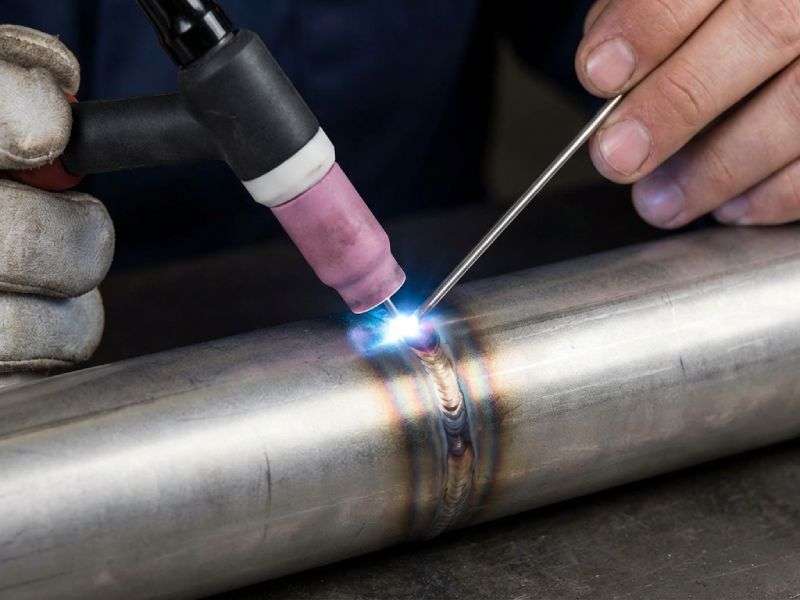
Under the extremely high temperatures of an electric arc, reaching 5,000–6,000 °C, SEED cellulose ether rapidly decomposes and vaporizes, generating a large volume of gases such as carbon monoxide (CO) and hydrogen (H₂). These gases quickly expand to form a dense gaseous shield that isolates the molten pool, molten droplets, and arc zone from the surrounding air (primarily nitrogen and oxygen). This effectively prevents oxidation and nitriding of the molten metal, thereby avoiding defects such as porosity and slag inclusions, and ensuring the mechanical properties of the weld metal.

Specific applicationsSEED product models
Welding electrodesHCM6010
Note: Please contact our sales staff for specific TDS details.
(Click to get a sample)

Welding Electrodes application related products

CMC

Carboxymethyl Cellulose

Connect with Us Today

Reach out to discover how our cellulose ether products can elevate your business and meet all your chemical solution needs.

滚动至顶部