Nitrocellulose (also known as cellulose nitrate, abbreviated as NC) is a time-honored and highly versatile film-forming resin material in the coatings industry. Boasting unique advantages including ultra-fast drying, high transparency, high gloss, broad substrate compatibility, easy sanding and recoatability, nitrocellulose remains a core raw material for wood coatings, automotive refinish paints, printing inks, metal topcoats and other fields to this day.
Compared with synthetic resins such as polyurethane, acrylic and epoxy resin, nitrocellulose features irreplaceable construction and decorative merits. Workers widely apply this resin to ambient-temperature coating production lines and serves as a key base material for light industry coating and industrial fast-dry coating systems. This article elaborates on the core coating properties, mainstream application fields, modification optimization schemes and industrial value of nitrocellulose
Four Core Advantages of Nitrocellulose in Coatings
1. Ultra-fast ambient-temperature drying to greatly boost production efficiency
Nitrocellulose ranks among the film-forming resins with the fastest solvent volatilization rate. It achieves surface dry within minutes at room temperature and cures rapidly into a hard film. No high-temperature baking or long standing time is required. This fast-drying feature effectively prevents dust contamination during coating processes and drastically raises the throughput of coating assembly lines, making it ideal for mass continuous production of furniture, printing products and hardware accessories.
2. Ultra-high transparency to restore the original texture of substrates
The refractive index of nitrocellulose film is highly similar to that of wood cellulose. The resulting film is crystal clear without haze, reproduces wood grain perfectly and delivers mirror-like high gloss. It does not mask the natural color of substrates after coating and maximizes the original texture of solid wood, leather and metal. It is the preferred raw material for high-end solid wood furniture, musical instruments and antique woodwork restoration.
3. Excellent adhesion to a wide range of substrates
Nitrocellulose molecules contain polar nitrate ester groups, granting outstanding adhesion to various substrates including wood, metal, plastic, paper and leather. The dense and flexible cured film resists scratches and mild abrasion, effectively isolating moisture, dust and weak acid/alkali corrosion to provide basic protection for substrates.
4. User-friendly construction, easy sanding, repairing and recoating
Nitrocellulose coatings form films physically via solvent evaporation without complex chemical crosslinking. The film features moderate hardness and excellent sandability. Defects can be easily sanded off for touch-up, and recoats adhere firmly without peeling or flaking. It fits flexible construction scenarios such as manual repair, partial renovation and multi-layer topcoating. In addition, it boasts great compatibility with most resins including alkyd, acrylic and amino resins, allowing flexible blending and modification.
Main Application Fields of Nitrocellulose in Coatings
1. High-End Wood Coatings (Core and Dominant Application)
Wood coatings represent the largest and most traditional application of nitrocellulose, widely adopted for coating solid wood furniture, wood flooring, wooden doors, musical instruments and antique woodwork.
Nitrocellulose wood paint delivers thin, transparent films with a smooth and mild hand feel, fully retaining the natural grain and texture of wood, which differentiates it from heavy-film PU and PE coatings. It features fast drying and strong resistance to cracking and yellowing, suitable for mass spraying, color washing and topcoating, as well as antique finishing processes in furniture factories. It serves as a special coating raw material for light luxury solid wood finishing and vintage furniture restoration.
2. Automotive Refinish Paints & Industrial Topcoats
Modified fast-drying nitrocellulose refinish paints are widely used in the automotive aftermarket. When modified with acrylic and polyurethane resins, nitrocellulose combines fast drying with weather resistance and abrasion resistance, ideal for repairing local scratches and small-area renovation of vehicles.
Its easy construction, low-temperature film-forming property and excellent recoatability perfectly meet the rapid construction demands of auto repair shops. It can also be used as a protective topcoat for automotive plastic parts, wheel hubs and small auto accessories.
3. Printing Inks & Packaging Coatings
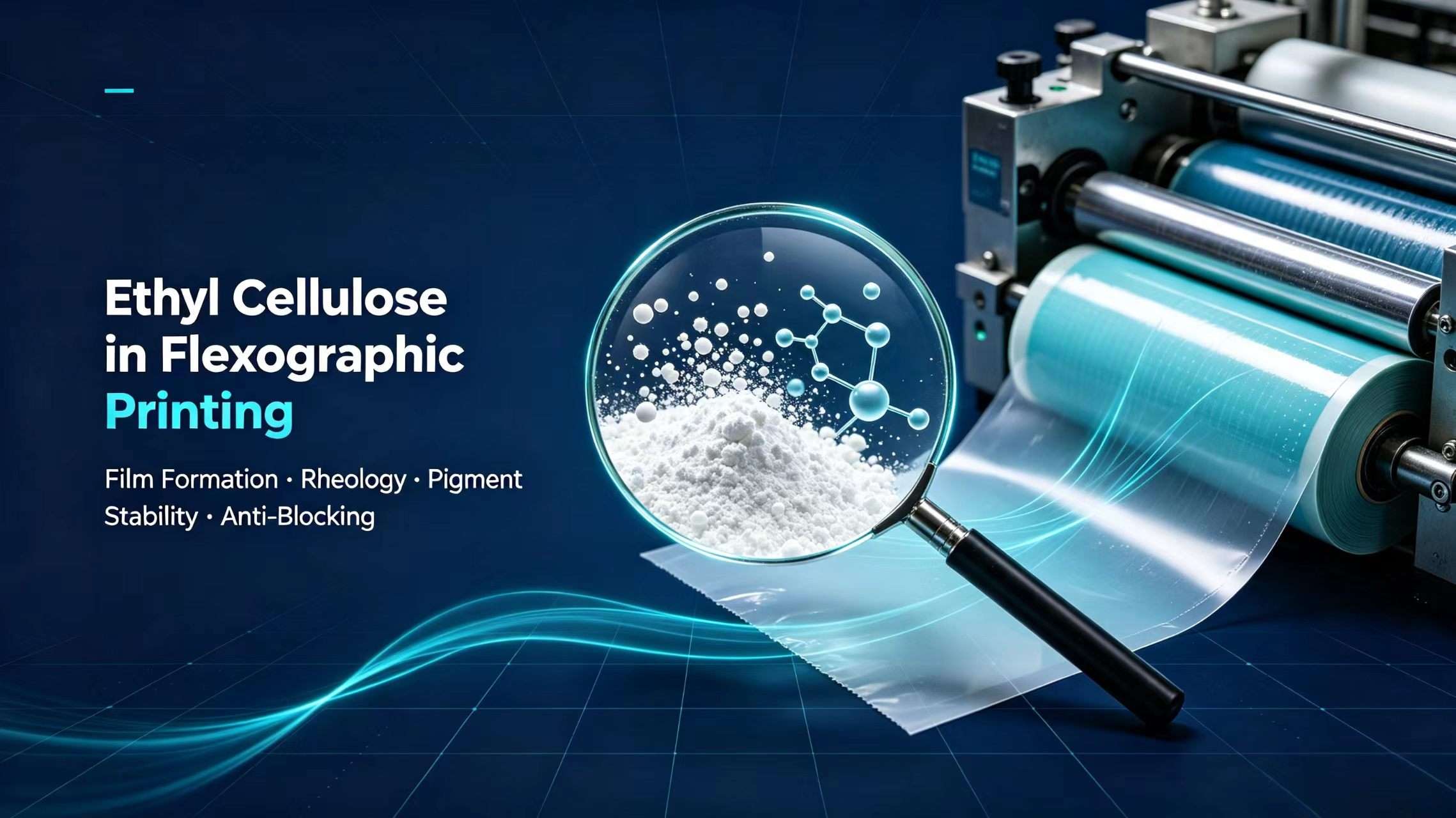
Gravure and flexographic inks for flexible packaging are important application areas of nitrocellulose. Industrial-grade nitrocellulose boasts outstanding pigment dispersibility and suspension stability. The formed tough and abrasion-resistant film with strong adhesion fits printing substrates such as plastic films, paper packaging and aluminum foil.
This coating system can also be used as raw material for packaging overprint varnish to enhance gloss, friction resistance and moisture resistance of packaged goods, acting as a key binding resin for printing coatings of food and daily commodity packages.
4. Metal Topcoat Varnishes for Hardware
Nitrocellulose varnish is a universal protective solution for iron art products, hardware fittings and small metal workpieces. With fast drying and simple construction, nitrocellulose coatings rapidly form bright, compact protective films after spraying to isolate air and prevent oxidation and rust, realizing both decorative brightening and anti-rust protection.
Compared to traditional oven-cured paints,it is applicable to high-speed coating on small hardware production lines, temporary outdoor protection of small parts and topcoating of metal crafts, with much higher cost performance than high-temperature curing industrial paints.
5. Special Decorative Coatings for Leather & Plastics
Thanks to excellent flexibility, nitrocellulose is suitable for leather surface finishing. It improves leather gloss, smooths fine surface lines and boosts stain and abrasion resistance, widely used in the coating and renovation of leather shoes, handbags and artificial leather.
For small consumer goods can also be formulated into decorative topcoats for common plastic substrates including ABS and PVC. It provides stable adhesion without corroding substrates, perfect for surface beautification and protection of plastic crafts and daily necessities.
Conclusion
As a classic fast-drying film-forming resin, nitrocellulose features core strengths including ultra-fast drying, high transparency and gloss, convenient construction and broad substrate compatibility. It has been widely applied in numerous sectors such as wood coating, automotive refinishing, packaging printing, hardware protection and special decorative coatings.
With modern resin modification technologies, nitrocellulose coatings have achieved continuous upgrades in weather resistance, abrasion resistance and water resistance. In coating scenarios that demand efficient construction, natural texture and flexible touch-up repair, nitrocellulose maintains an irreplaceable core position, serving as the fundamental key raw material for light industrial coatings and industrial fast-dry coating systems