CMC for Drilling Fluid: Complete Guide to HV & LV Grades
Sodium carboxymethyl cellulose (CMC for short) is an anionic water-soluble high-molecular polymer modified from natural cotton linter and wood pulp cellulose via alkalization and etherification. It is the most widely used and cost-effective multifunctional additive for water-based drilling fluid systems.
HV & LV Grades of CMC for Drilling Fluid
1. HV-CMC (High Viscosity CMC): Featuring high molecular weight and high viscosity, it mainly serves to increase viscosity, raise gel strength and suspend drill cuttings.
2. LV-CMC (Low Viscosity CMC): With high degree of substitution, low viscosity-building capacity and outstanding fluid loss control performance, it fits heavy-weight high-density mud and deep well formations.
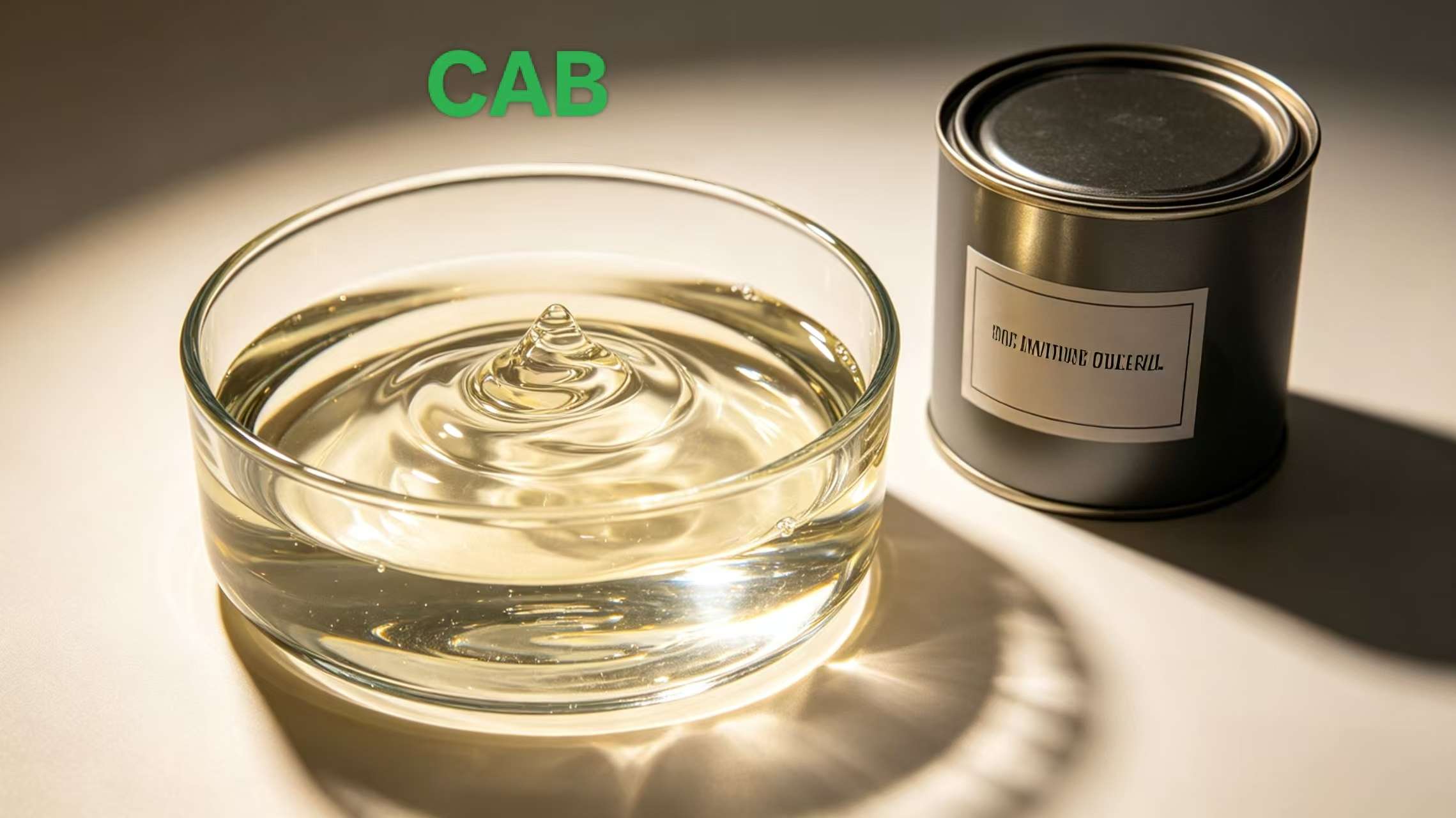
Drilling-grade CMC appears as free-flowing white powder and dissolves in cold water to form transparent viscous colloid. It boasts excellent compatibility and can be synergistically applied with bentonite, soda ash, lubricants and weighting agents. It is widely adopted in mud systems for onshore oil & gas wells, shale drilling, geothermal wells and offshore freshwater drilling.
Six Core Functions of CMC in Petroleum Drilling Fluids
1.Efficient Fluid Loss Control & Formation of Dense Thin Mud Cake (Core Function)
Downhole pressure differential during drilling pushes water from mud into formations, triggering reservoir damage, borehole collapse and stuck pipe incidents.
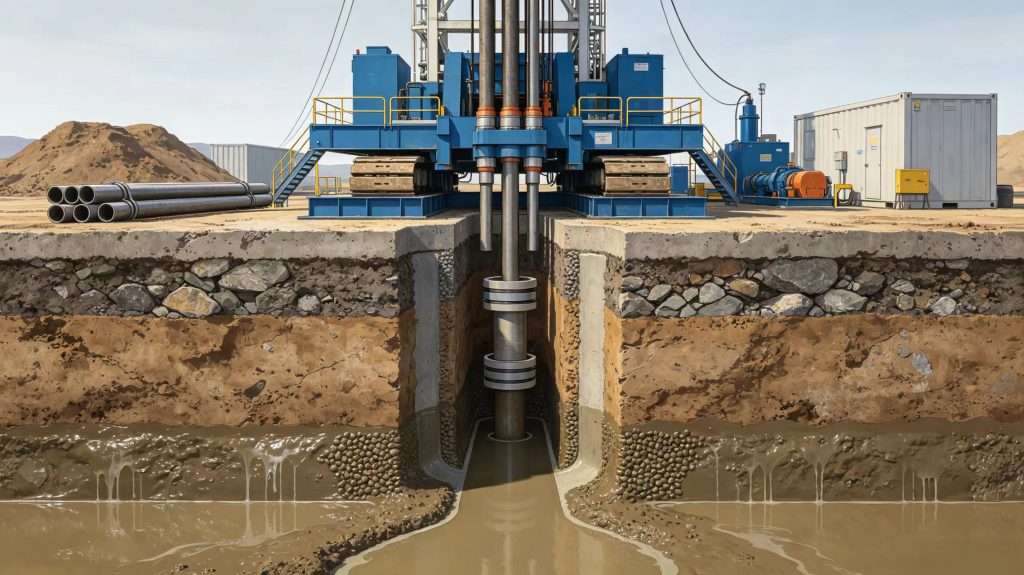
The molecular chains of CMC carry abundant carboxyl and hydroxyl groups, which adsorb bentonite particles and borehole rock, fill micro-fractures in formations, and form thin, tough, low-permeability filter cakes on the wellbore, drastically cutting API fluid loss volume.
- LV-CMC: Primary fluid loss control agent with slight viscosity increment after addition, the top choice for high-density barite-weighted mud.
- HV-CMC: Balances fluid loss control and viscosity building, ideal for shallow wells and low-density freshwater mud.
2.Regulate Mud Rheology & Improve Cuttings Carrying and Suspension Capacity
CMC dissolves in water to form a 3D colloidal network, endowing drilling fluid with excellent thixotropy:
- High shear during drilling: Moderate viscosity reduction ensures good mud flowability and low pumping resistance.
- Static condition when drilling stops: The colloidal network restores to firmly suspend drill cuttings and barite, avoiding solid settlement that buries the drill string.
Low initial gel strength rapidly releases entrained gas in mud, mitigating foaming caused by gas invasion and boosting the sand and silt removal efficiency of solid control systems.
3.Inhibit Shale Hydration & Stabilize Wellbore to Prevent Collapse
Mud shale and loose sandstone formations readily absorb water to swell and spall off. CMC forms a protective film on clay particle surfaces to block free water from penetrating rock layers, suppress formation hydration and dispersion, reduce borehole sloughing and collapse, and lower the frequency of complex downhole troubles.
4.Enhance Mud Stability & Extend Mud Circulation Service Life
CMC colloids feature strong resistance to microbial degradation, so mud rarely goes moldy or deteriorates. There is no need to maintain a high pH value for long-term corrosion prevention, cutting the dosage cost of caustic soda.
It tolerates mild contamination of calcium, magnesium and sodium salts, applicable to freshwater, brackish water and seawater drilling fluid systems.
5.Moderate Temperature Resistance for Medium & Deep Well Operations
High-quality drilling CMC with high degree of substitution withstands downhole temperatures up to 150°C. Its viscosity and fluid loss properties degrade slightly after high-temperature aging, meeting conventional drilling demands of medium and deep wells. For ultra-deep wells under high-temperature conditions, it can be compounded with heat-resistant stabilizers.
6.Protect Oil & Gas Reservoirs & Reduce Formation Damage
Filter cakes formed by CMC are compact and easy to peel off. Its filtrate features mild chemical properties without blocking pore throats of oil and gas reservoirs. It reduces costs of subsequent acidizing and fracturing operations, improves oil and gas recovery factor, and serves as an eco-friendly drilling additive.
CMC for Drilling Fluid: HV & LV Grade Selection
HV-CMC (High Viscosity Sodium Carboxymethyl Cellulose)
Applicable Scenarios: Shallow wells, medium-shallow wells, low-density freshwater mud, mud making for water spud-in, soft formations requiring strong cuttings suspension
Core Advantages: Dramatically increase mud viscosity and yield point with low dosage, high mud-making efficiency, outstanding suspension performance
Typical Dosage: 0.1%–0.3%
LV-CMC (Low Viscosity Sodium Carboxymethyl Cellulose)
Applicable Scenarios: Deep wells, high-density barite-weighted mud, high-permeability sandstone formations, saltwater drilling fluids, horizontal wells
Core Advantages: Powerful fluid loss control with minimal impact on mud viscosity; avoids excessive viscosity that leads to pumping difficulty; forms thin and compact filter cakes
Typical Dosage: 0.2%–0.5%
Quick Selection Judgment
1. Only require fluid loss control with high mud density → LV-CMC
2. Thin mud, poor cuttings carrying capacity, viscosity building needed → HV-CMC