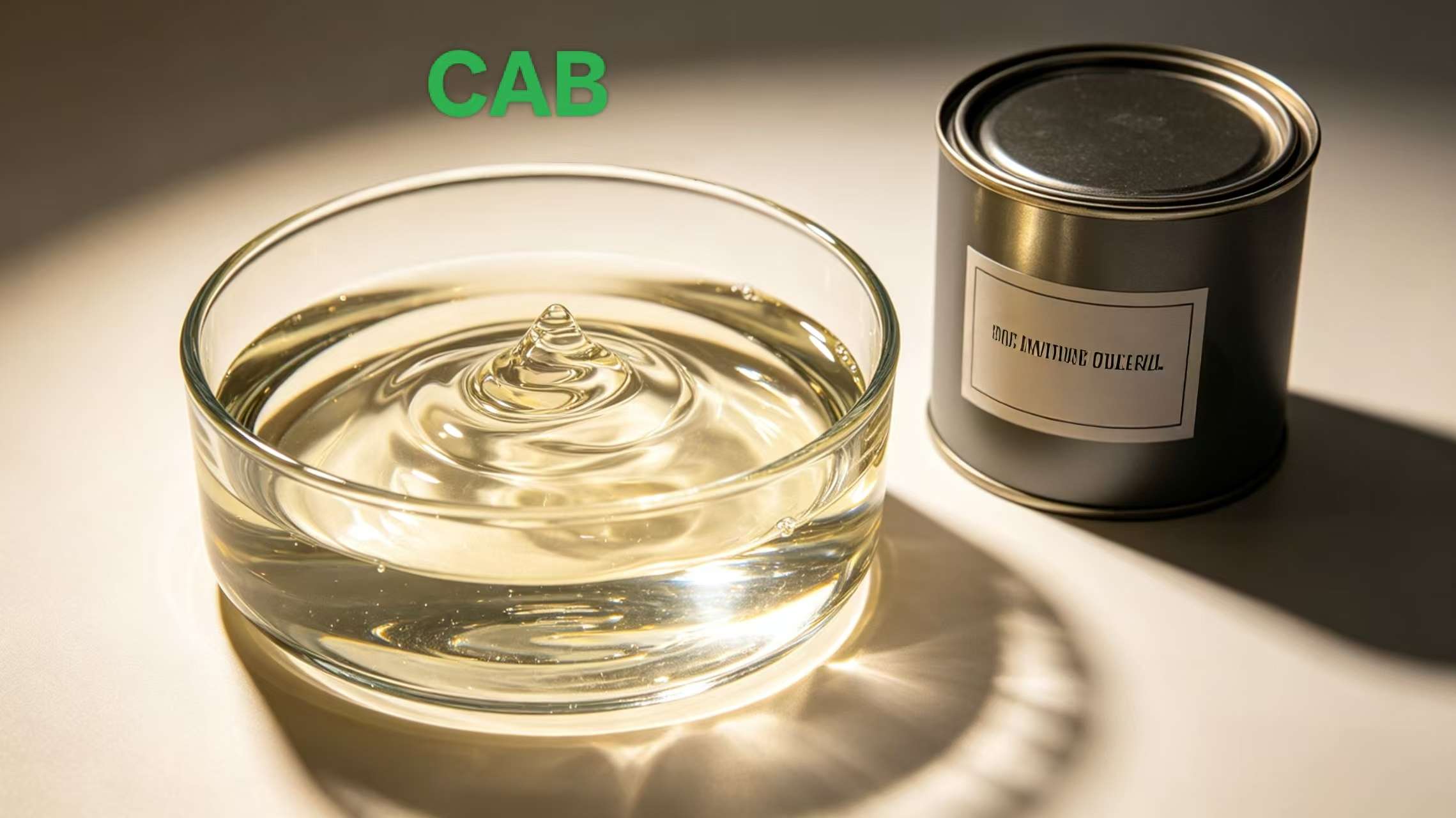
The triterpenoid saponins air‑entraining admixture (liquid and powder) is an independent type of concrete admixture. It is extracted from camellia oleifera seeds and modified. It is readily soluble in water and possesses excellent chemical stability against acids, alkalis and hard water. Its main component, triterpenoid saponins, is a natural non‑ionic surfactant capable of generating a large number of closed, discrete air bubbles. Featuring high foaming ratio, abundant bubbles, small bubble spacing and long foam‑stabilizing duration, this product can significantly improve the workability of plastic concrete and enhance the durability of hardened concrete. It is a high‑quality air‑entraining admixture with great application prospects.
Product Features
1. Excellent bubble quality
The bubbles generated by this product are discontinuous closed spheres with uniform distribution and good stability, and their pore size ranges from 0.02~0.2 mm. When the air‑content is ≥5%, the bubble‑spacing factor L is less than 100 μm; when the air‑content reaches 6%, the bubble‑spacing factor L is approximately 80 μm.
2. Outstanding compounding performance
This product features extremely high water‑solubility and superior compatibility with other admixtures, delivering remarkable “synergistic effect”. After compounding, performances including water reduction, dispersion, wetting, solubilization and viscosity reduction are improved to varying degrees. It avoids common problems of rosin‑based air‑entraining admixtures upon compounding, such as precipitation, discoloration and reduced air‑entraining effect. The adoption of triterpenoid saponins air‑entraining admixture can cut compounding cost by around 5%.
3. Improved concrete performance
This product enhances the fluidity and plasticity of concrete, reduces bleeding and segregation, and raises the flexural strength by 10%‑20%. Meanwhile, it lowers the thermal diffusion and thermal conductivity coefficients of concrete, so as to improve the volume stability of concrete and weather resistance of various outdoor structures. The introduced micro‑bubbles serve as buffer spaces for volume expansion, mitigating and delaying concrete damage induced by physical expansion (e.g. crystallization pressure of salt crystals) and chemical reaction expansion (e.g. alkali‑aggregate reaction and sulfate attack). In addition, this product can improve the impermeability of concrete.
Scope of Application
1. Concrete structures requiring high durability, such as key hydraulic, harbour, highway and bridge projects.
2. Concrete highways and bridges in northern regions where de‑icing salts are applied.
3. Concrete projects with high requirements for construction workability.
4. An important component for preparing composite admixtures such as pumping agents (for pumped concrete).
Usage Method
The recommended dosage of the powder product is 0.004‑0.03% by weight of cement, while the recommended dosage for the liquid product is 0.006‑0.05% by weight of cement. The dosage can be adjusted appropriately according to air‑content test results. It can be directly dissolved in water for use, or mixed with other powder‑form admixtures in any proportion.
Mixing time: >2 minutes for conventional concrete; >3 minutes for roller‑compacted concrete.